

Greenville Landlord-Tenant Attorneys: What South Carolina Landlords Are Legally Required to Repair
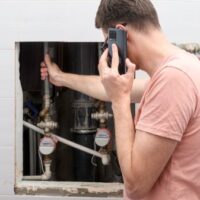
Every renter has had the experience of reporting a problem and then waiting. And waiting. A dripping faucet is annoying, but a broken heater in January or a leaking roof that’s growing mold is a different category of problem entirely. South Carolina law draws a real line between cosmetic complaints and the repairs a landlord is legally obligated to make, and knowing which side of that line your issue falls on changes what you can actually do about it. Greenville landlord-tenant attorneys field these questions constantly, usually after a tenant has already asked nicely more than once.
The Legal Foundation: The Implied Warranty of Habitability
South Carolina’s Residential Landlord and Tenant Act requires landlords to maintain rental property in a condition fit for human habitation. This isn’t something that has to be written into a lease. It’s implied by law in every residential rental agreement in the state, which means a landlord can’t simply write it away with clever lease language.
In practice, this obligation covers the structural and safety-related bones of a rental unit. It does not typically extend to things like outdated paint colors or worn carpet that’s merely unattractive. The law is concerned with whether a home is safe and functional, not whether it’s stylish.
What Falls Under a Landlord’s Repair Obligation
The specific list of required repairs generally includes:
- Structural components, including roofs, walls, floors, and foundations that are sound and weatherproof
- Plumbing systems that function properly and are free from leaks that create water damage or mold
- Heating systems capable of maintaining a safe temperature during cold months
- Electrical systems that work safely and meet applicable code
- Common areas in multi-unit buildings, including hallways, stairwells, and shared entryways
- Extermination of infestations, particularly when the infestation isn’t caused by the tenant’s own conduct
- Working smoke detectors, which are a specific statutory requirement in South Carolina rental units
Why the Distinction Between “Habitability” and “Comfort” Matters
Tenants sometimes assume any complaint creates a legal obligation for the landlord to act. It doesn’t work that way. A landlord who ignores a slow leak that’s rotting a subfloor has a legal problem. A landlord who declines to repaint a scuffed wall generally does not. The line gets drawn around whether the condition affects safety, health, or basic function of the home, not whether it’s an inconvenience.
This distinction becomes especially important when a tenant wants to know what leverage they actually have. Under South Carolina law, if a landlord fails to make a required repair after proper written notice, a tenant may have options that include terminating the lease or, in some circumstances, arranging the repair and deducting the cost from rent. But these remedies come with strict procedural requirements, and skipping a step can undo an otherwise valid claim.
The Notice Requirement Trips Up a Lot of Tenants
One of the most common mistakes we see is a tenant who complained verbally, multiple times, but never put anything in writing. South Carolina law generally requires written notice to the landlord describing the problem before certain remedies become available. A string of text messages might work depending on the facts, but a purely verbal request that was never documented can leave a tenant with far less leverage than they assumed they had. Anyone dealing with an unresponsive landlord should get the complaint in writing immediately, keep a copy, and note the date it was sent.
Steps Tenants Should Take When a Landlord Won’t Repair
If you’re dealing with a landlord who isn’t fixing something that legally needs fixing, the following steps tend to make a real difference:
- Put every repair request in writing and keep dated copies, even if you’ve already asked verbally
- Take photos or video of the problem, including any damage that’s gotten worse over time
- Review your lease for any specific repair provisions that might apply beyond the statutory minimum
- Track any related expenses, including medical costs if the condition caused an injury or illness
- Understand your local timeline requirements, since “reasonable time to repair” can vary depending on the severity of the issue
Renting Shouldn’t Mean Living With Hazards
We know that most tenants aren’t looking for a fight. They just want a safe place to live and a landlord who responds when something breaks. When that doesn’t happen, it can feel like there’s no one on your side, especially if you’re worried about retaliation or losing your housing altogether. Our firm approaches these situations with an understanding of how stressful that uncertainty is, and we work to give tenants a clear, practical path forward rather than just a list of legal citations. If you’re dealing with a landlord who won’t make a repair the law requires, reach out to Snyder Heitman to talk through your options with a Greenville personal injury attorney. We proudly serve tenants throughout Greenville, Simpsonville, Spartanburg, and the rest of Upstate South Carolina.
Source:
scstatehouse.gov/code/t27c040.php